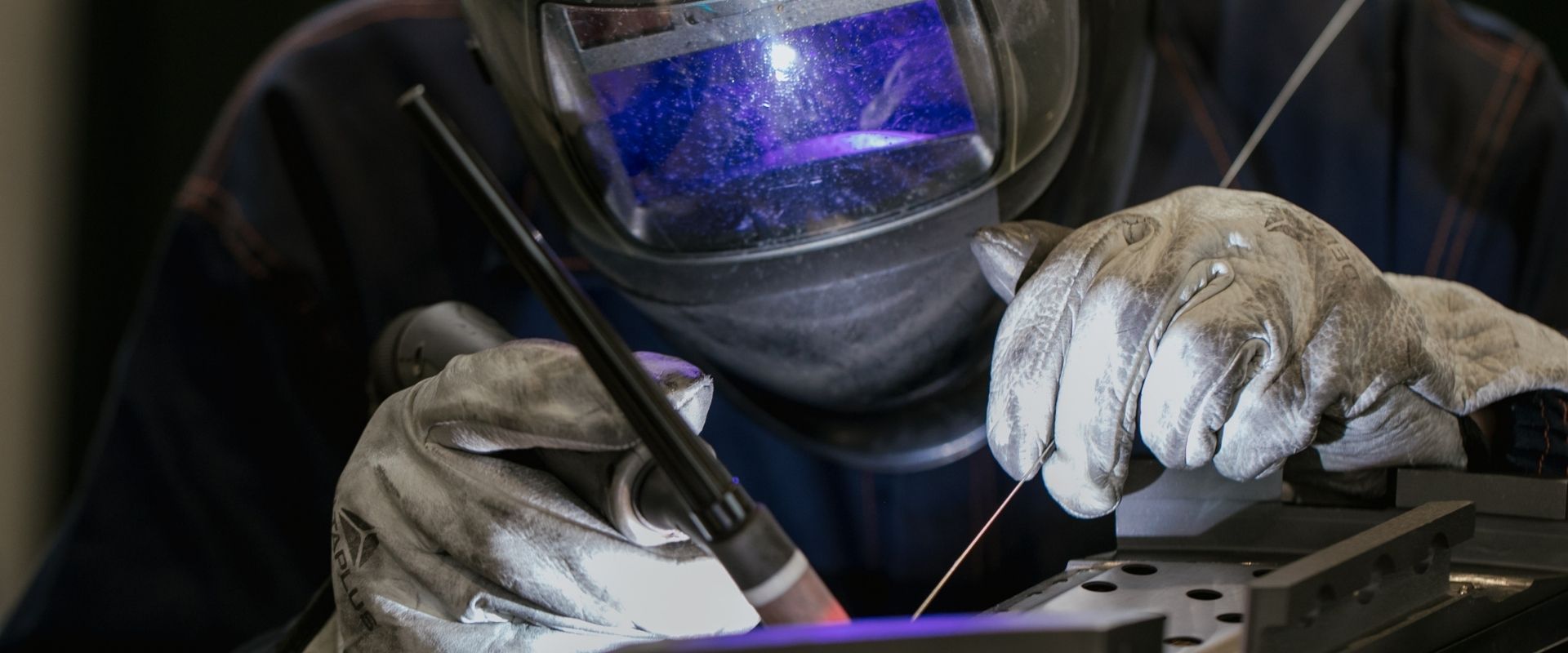
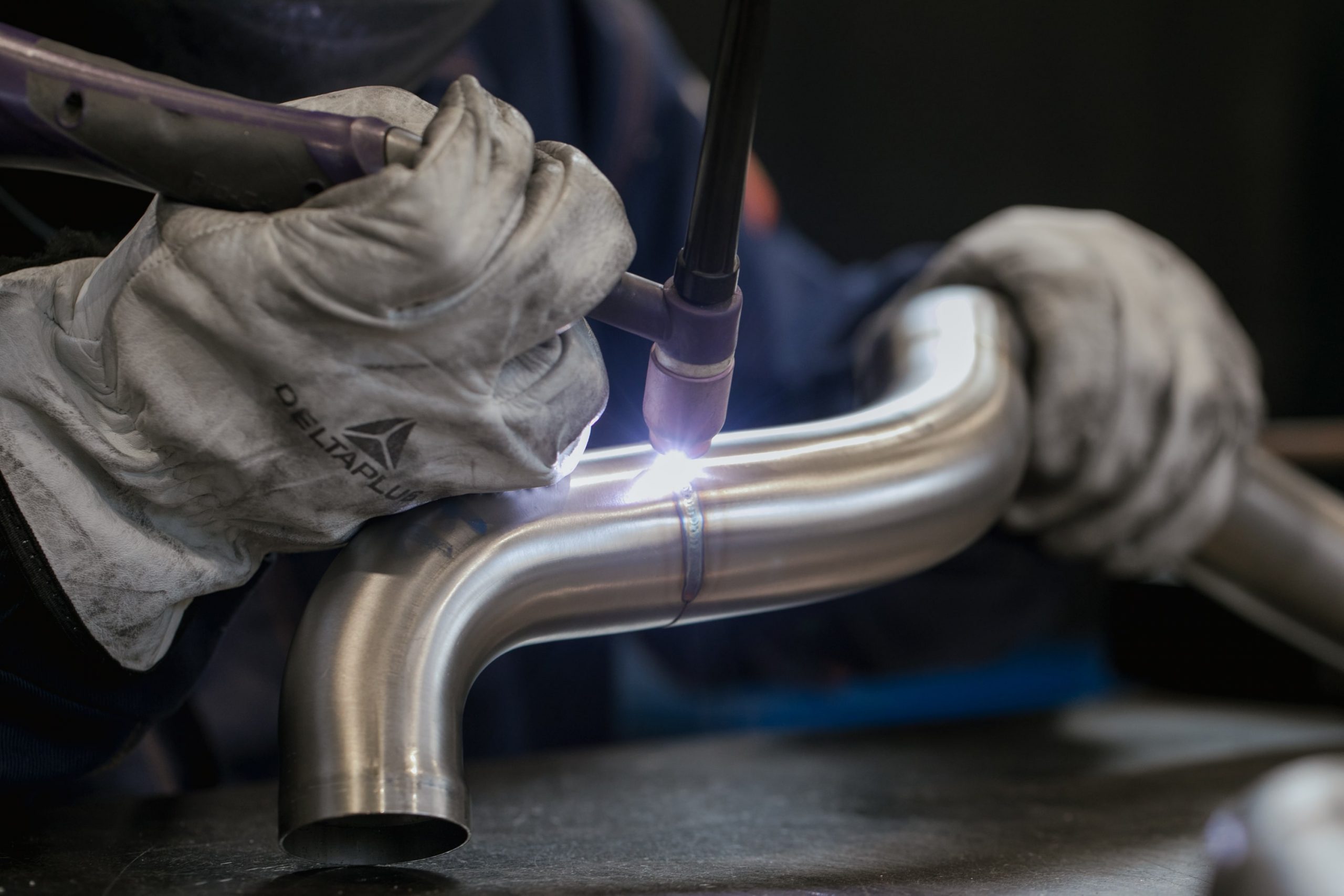
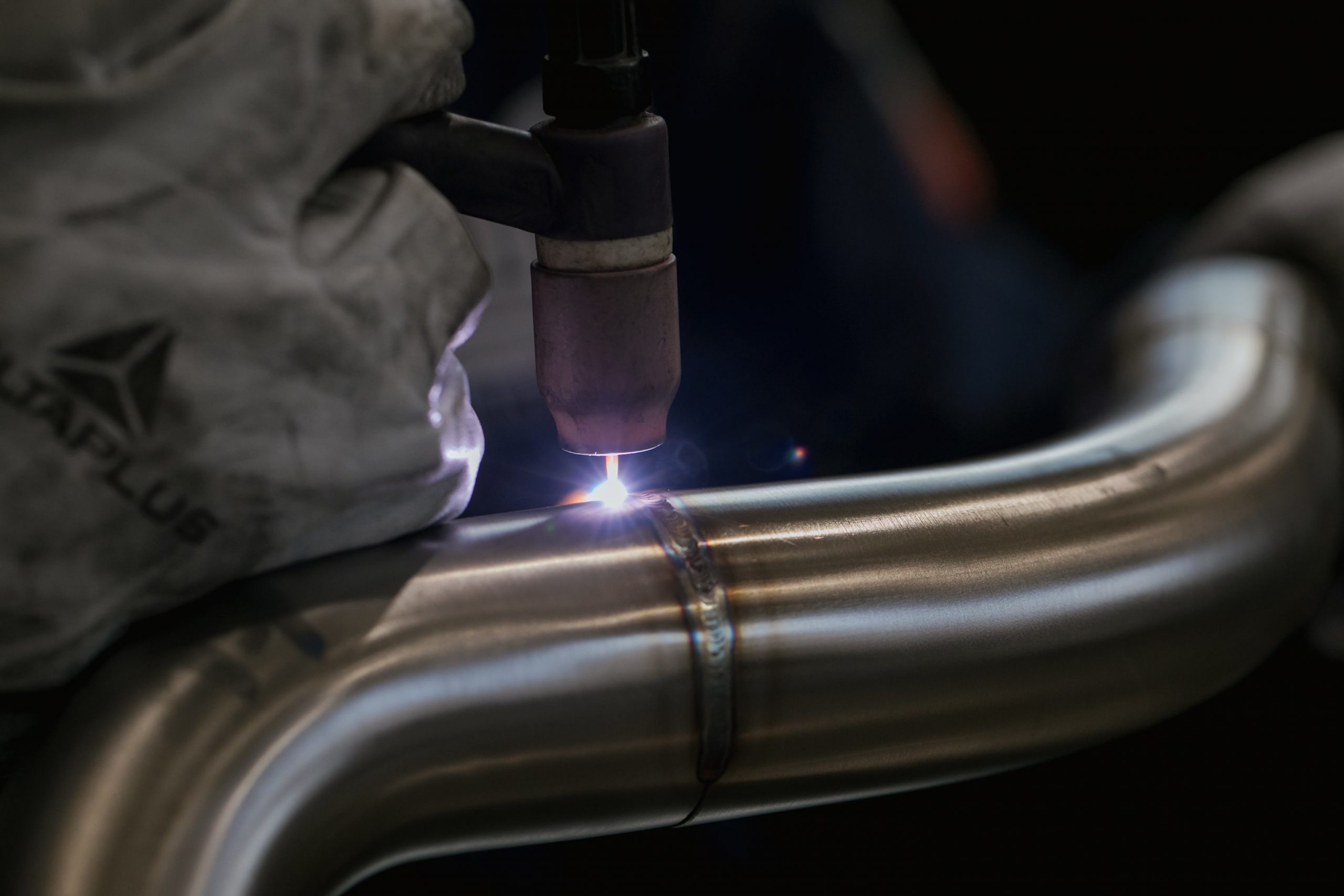
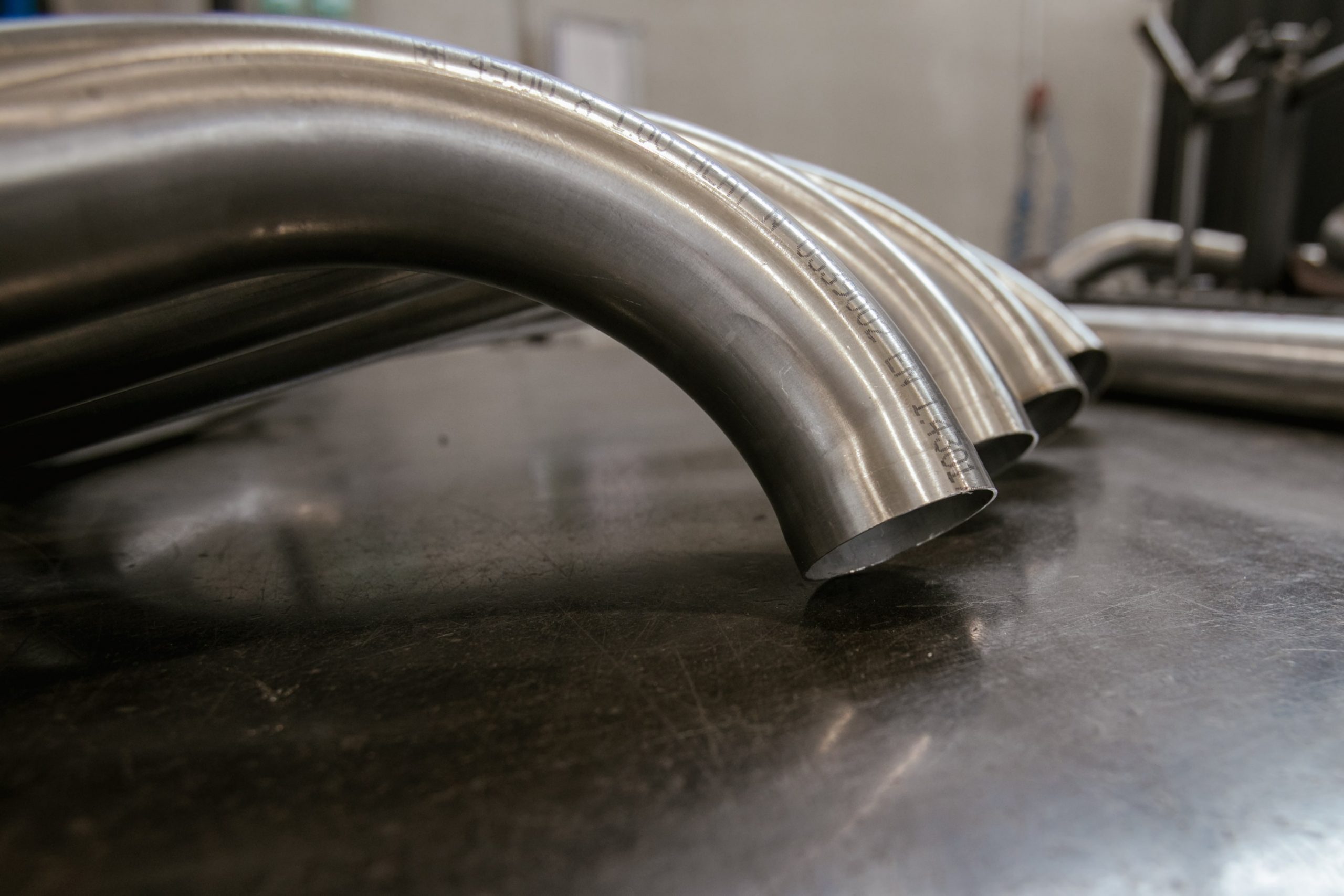
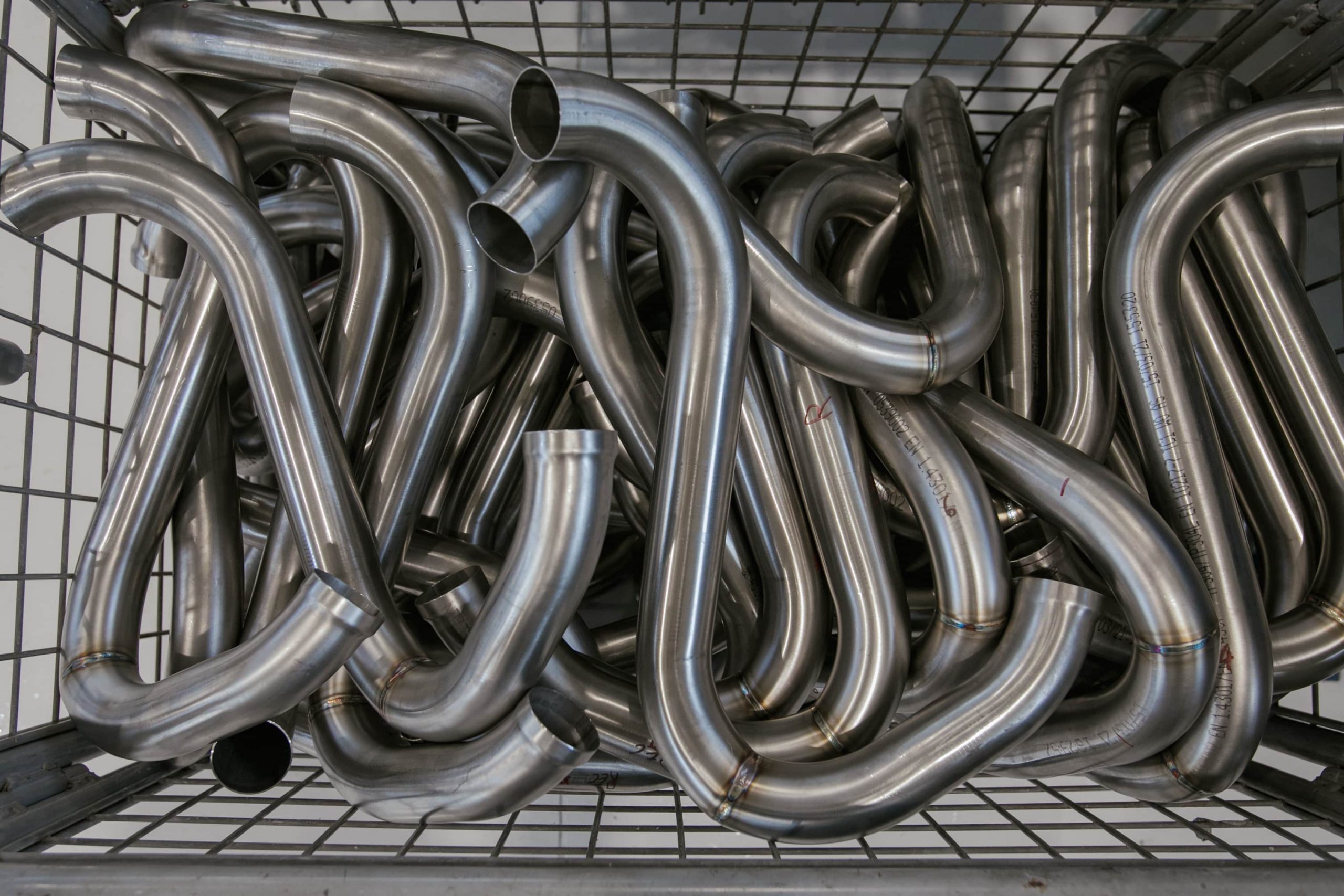
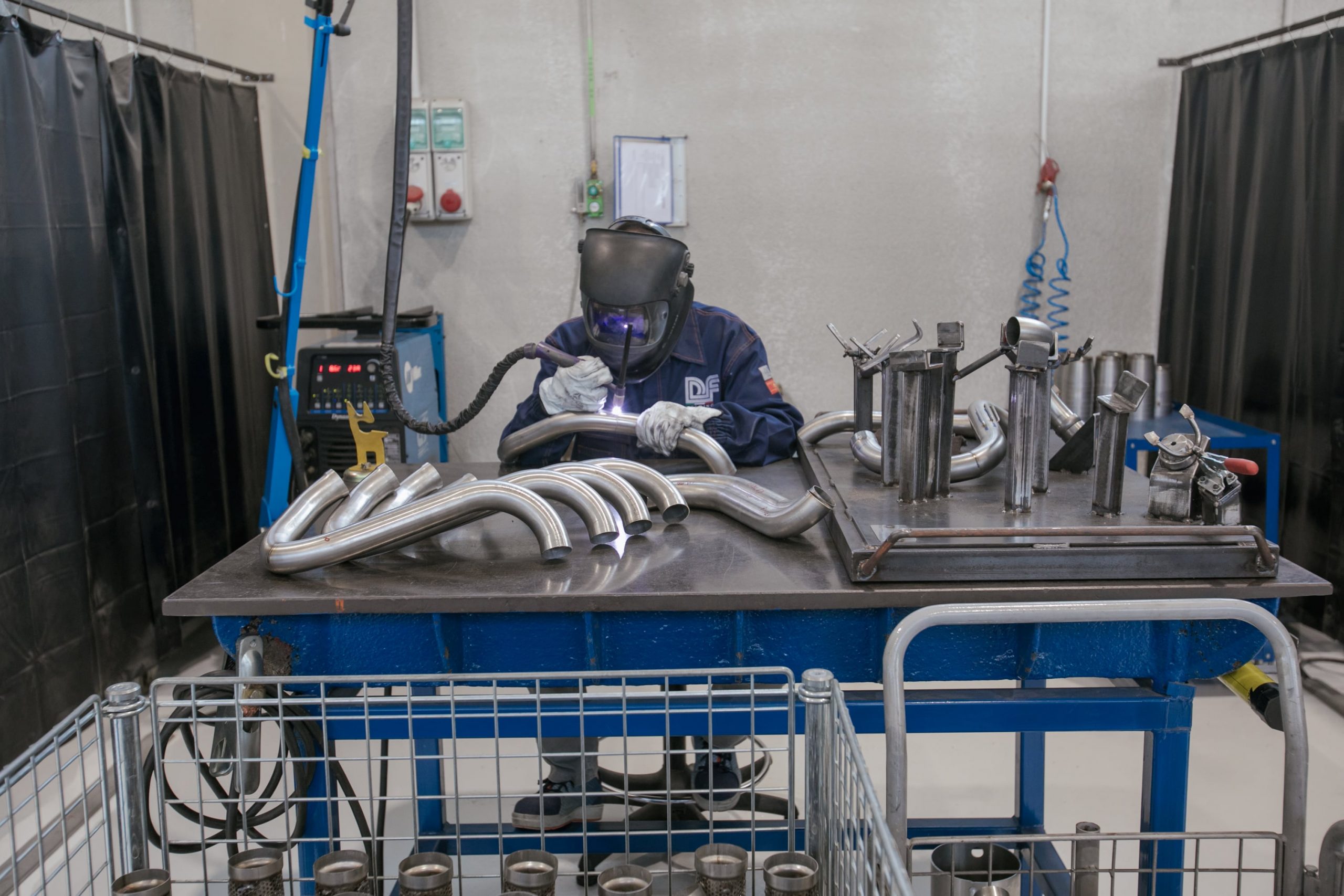
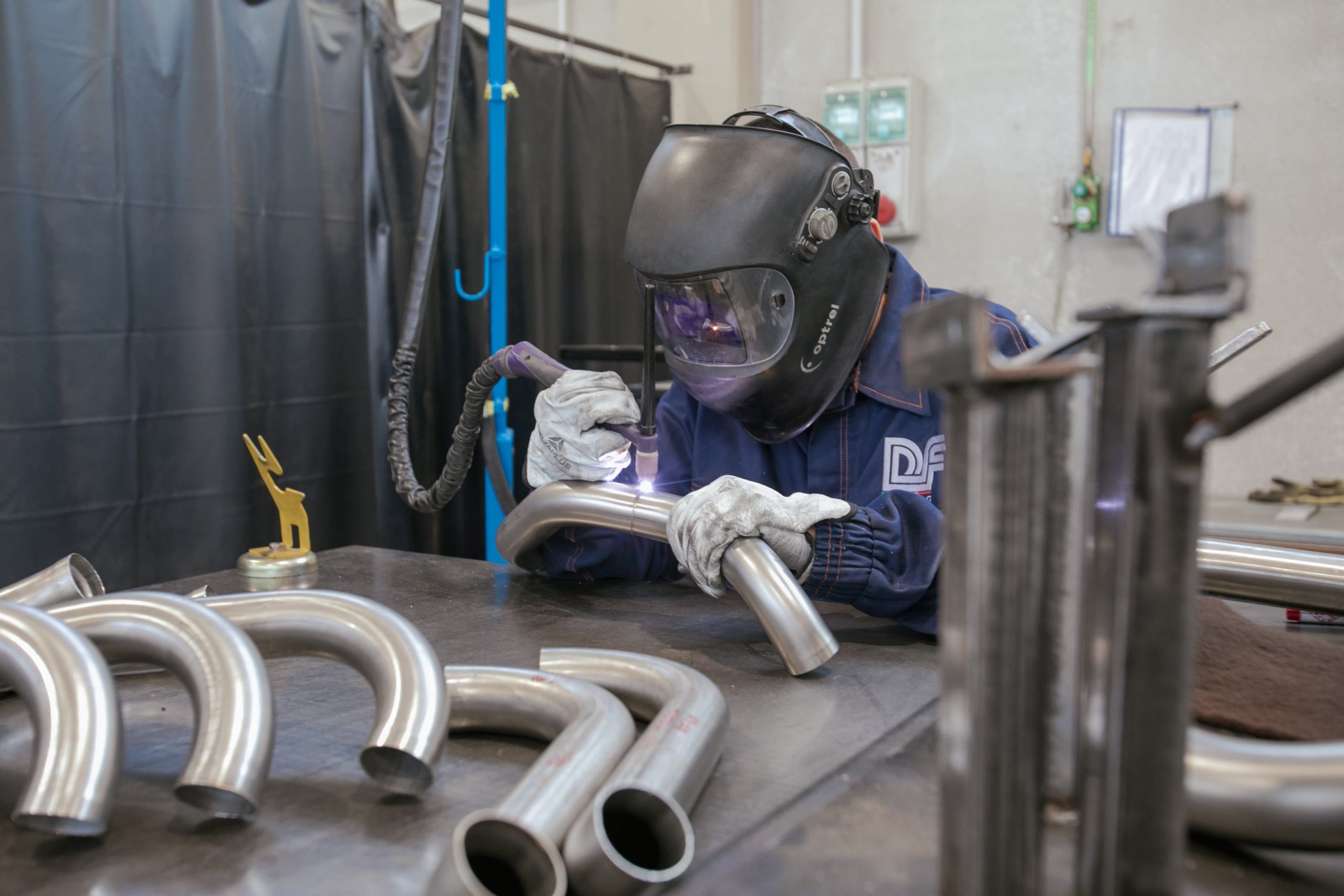
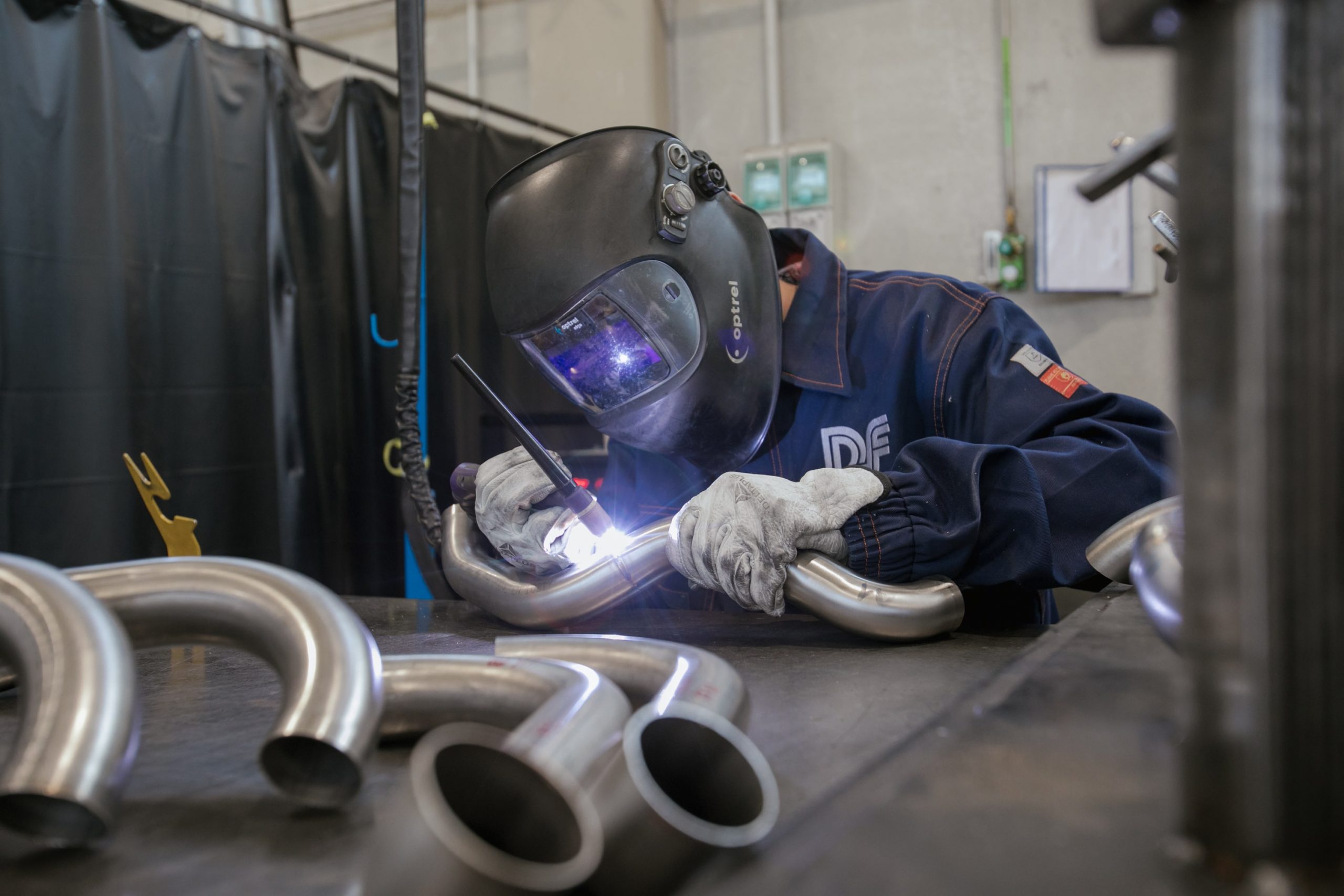
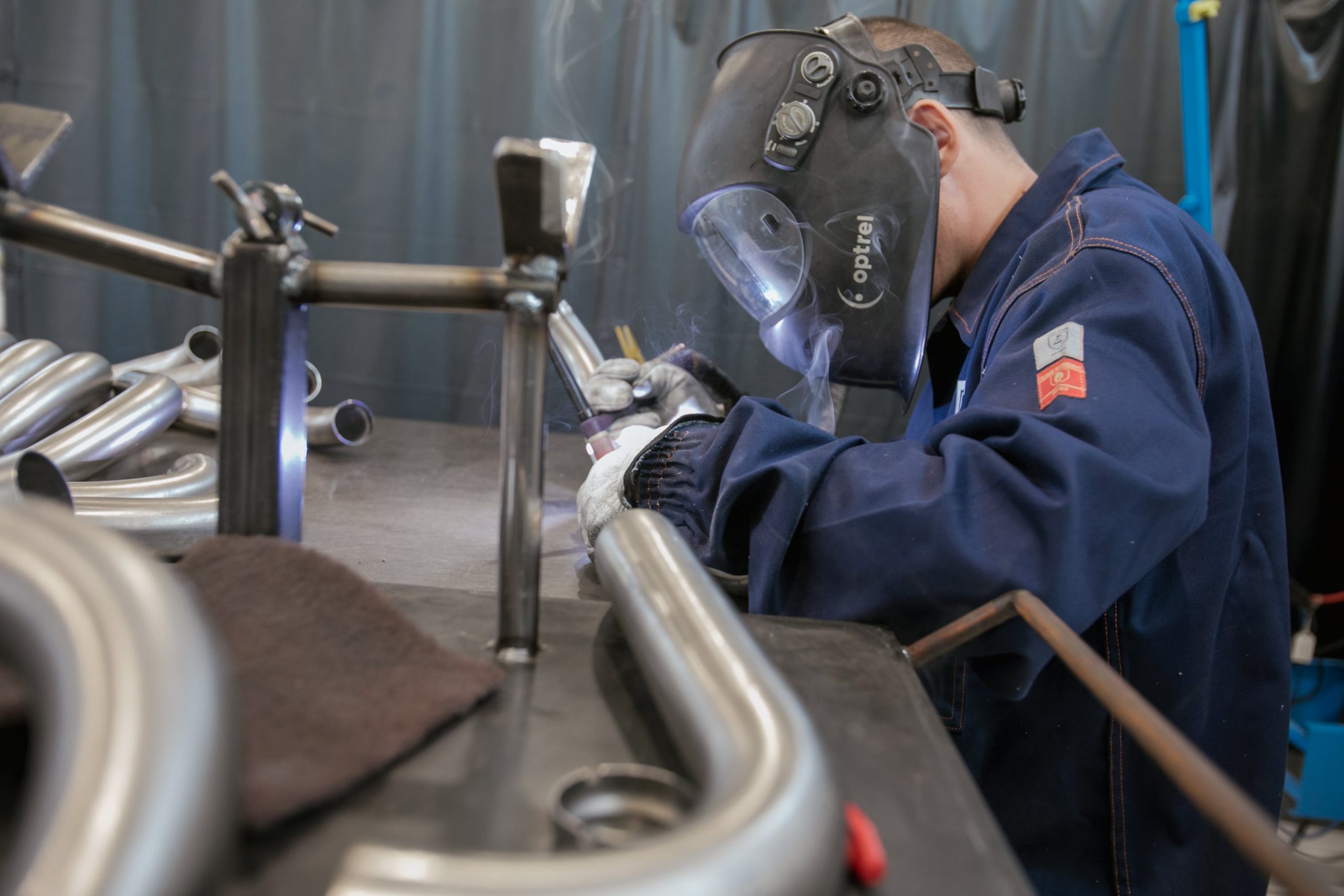
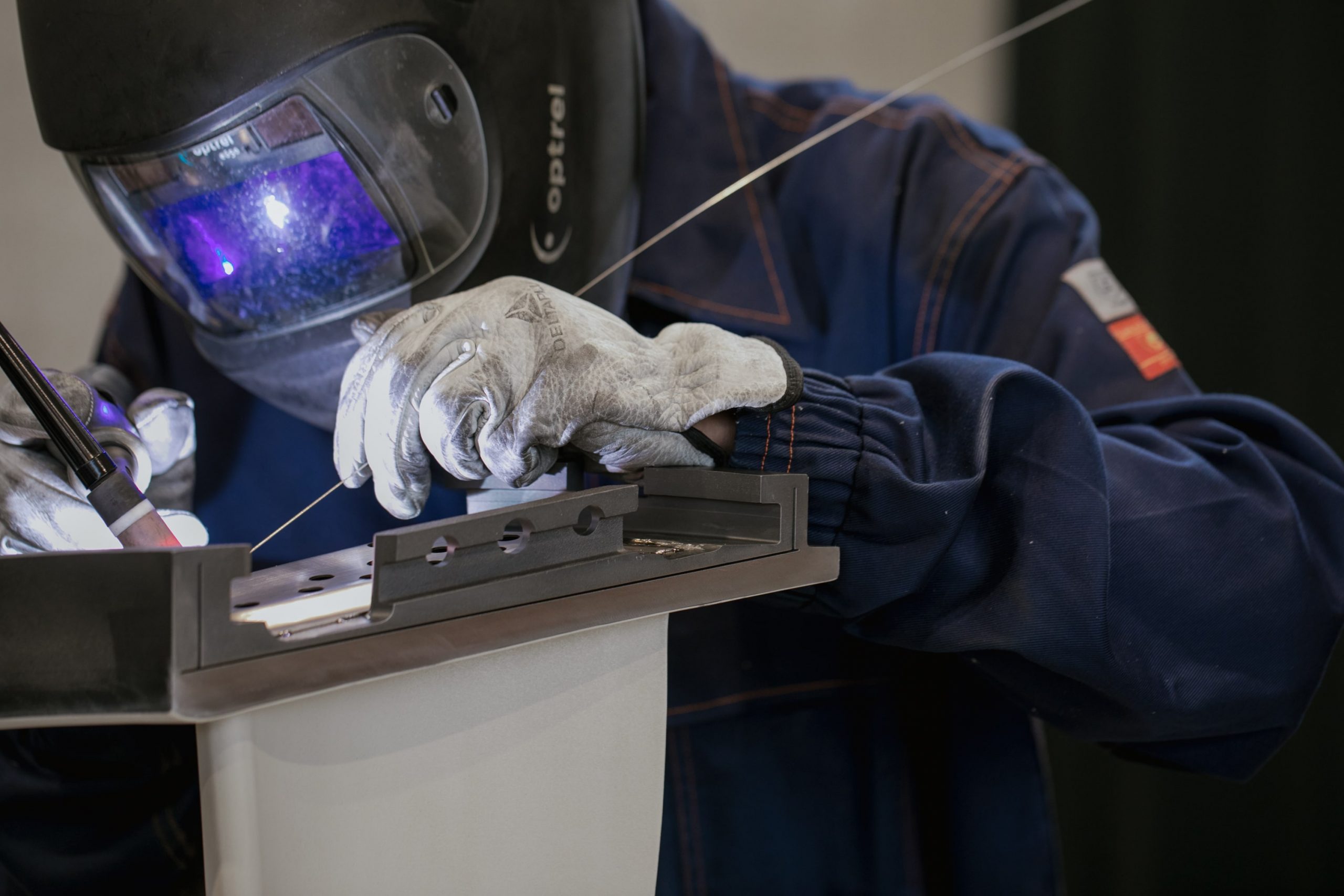
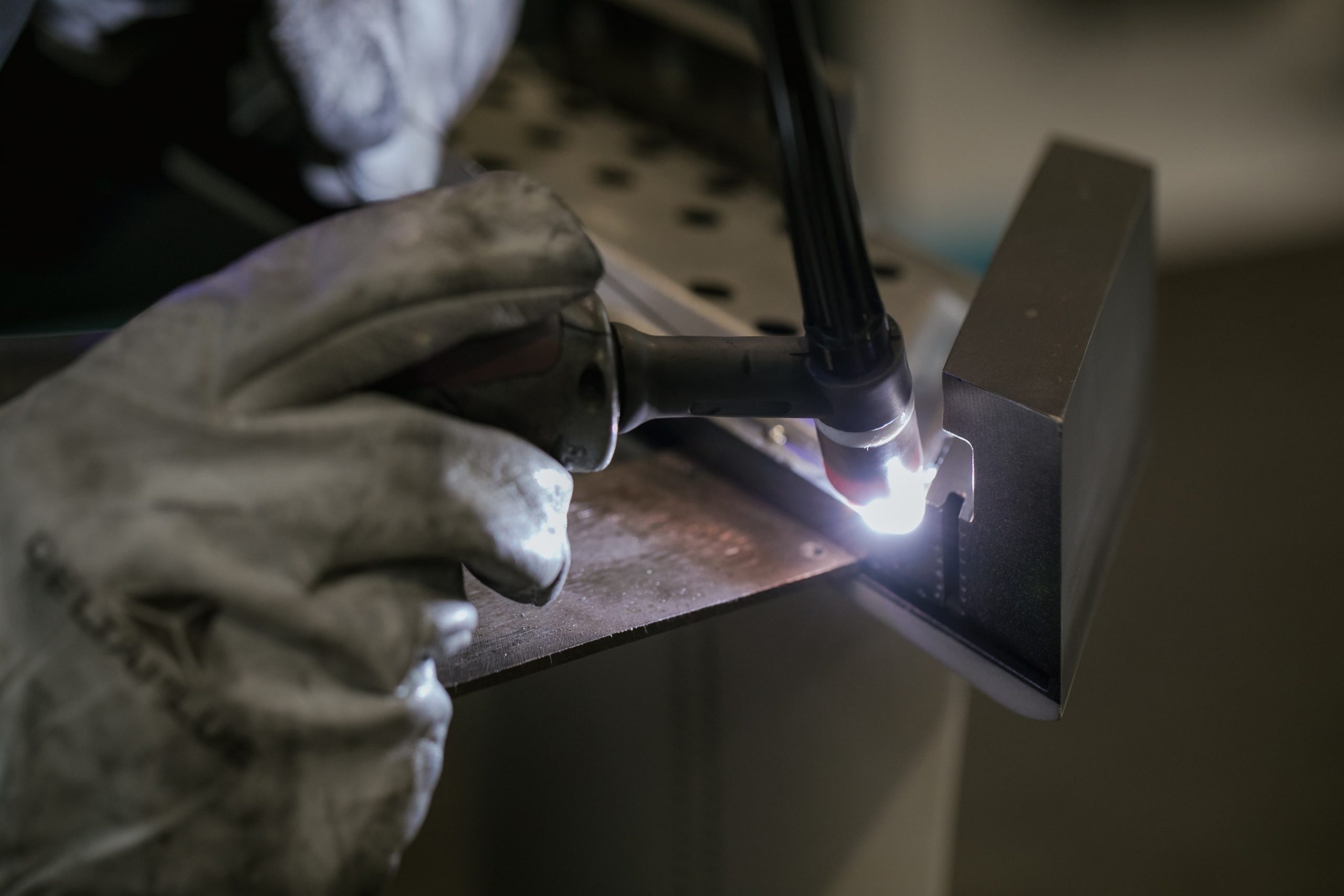
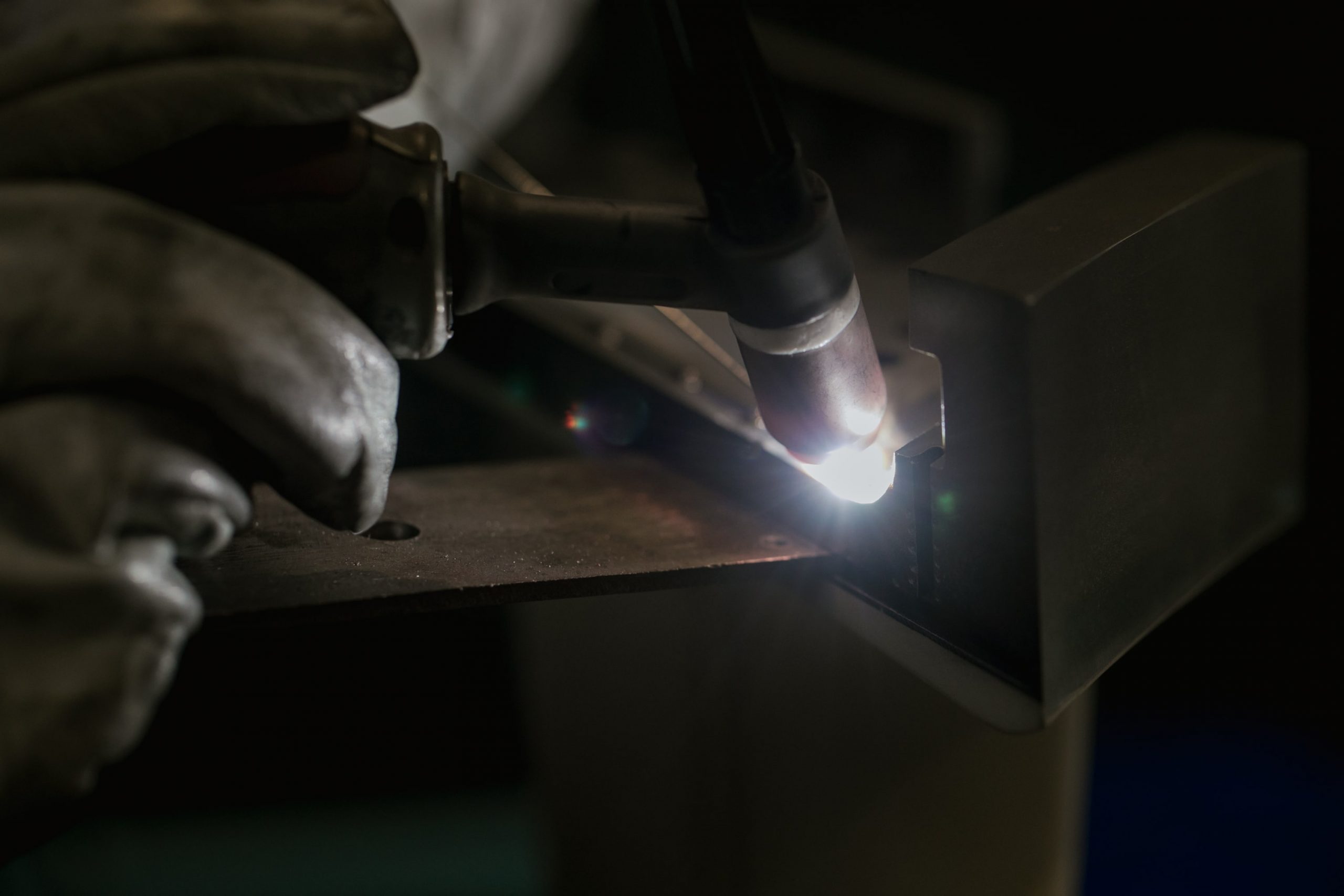
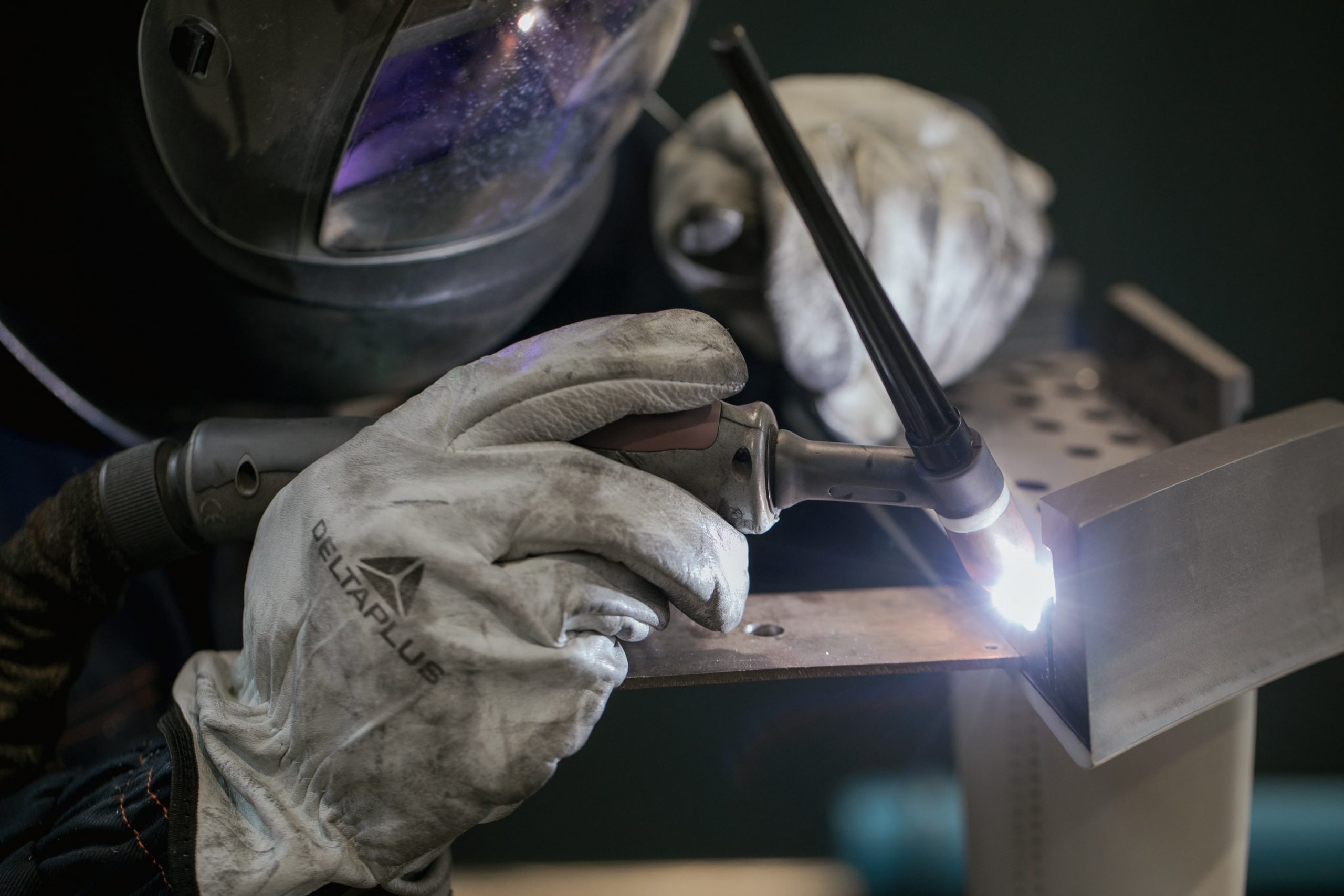
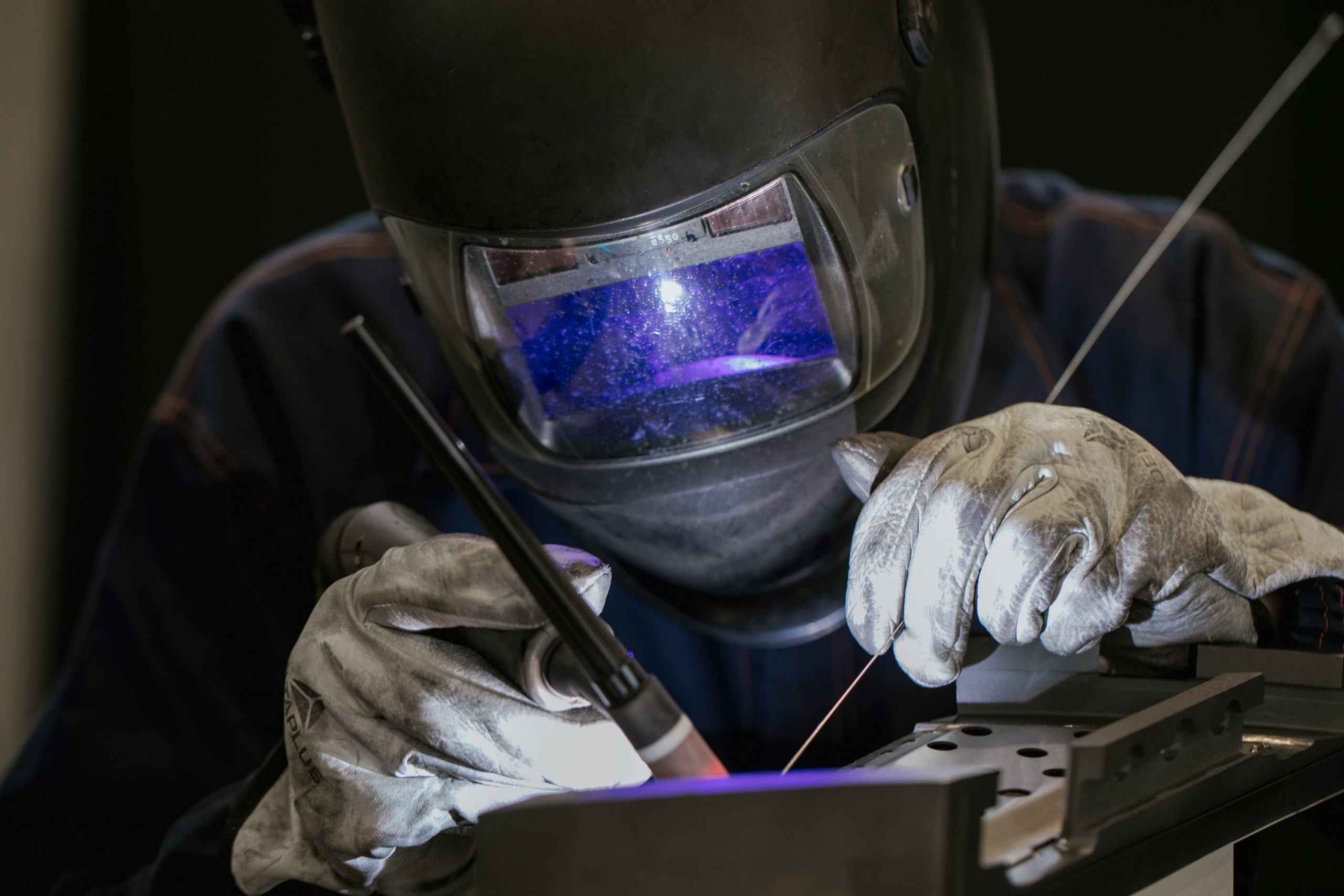
The TIG welding process is an autogenous fusion welding process. The electric arc is struck between a non-consumable tungsten electrode, shielded by an inert gas, and the workpiece. Tungsten is used due to its high melting point and excellent thermionic emission properties.
The TIG welding process can be categorized as:
Manual: Both arc length and torch manipulation are controlled by the welder.
Semi-automatic: Arc length and wire feed are controlled by the machine, while the welder guides the torch.
Automatic: All operations are performed by a robotic system or dedicated machinery.
This process provides a stable arc and precise control of the weld pool. However, TIG is a low-deposition (or low-productivity) process, typically used for thin gauges. While All types of metals and non-metals can be welded using a filler rod, the high energy density of the arc also allows for high-quality welds by simply fusing the joint edges without additional material.
Previous
Next
Utilizzando questo sito, accetti che noi e i nostri partner possiamo impostare cookie tecnici, statistici e di profilazione come da nostra Cookie Policy
This website uses cookies to improve your experience while you navigate through the website. Out of these, the cookies that are categorized as necessary are stored on your browser as they are essential for the working of basic functionalities of the website. We also use third-party cookies that help us analyze and understand how you use this website. These cookies will be stored in your browser only with your consent. You also have the option to opt-out of these cookies. But opting out of some of these cookies may affect your browsing experience.